June 3, 2026
Dental implants are a significant investment in your oral health, providing a durable and aesthetically pleasing solution for missing teeth. Ensuring their longevity requires diligent care and attention, much like other important investments in life. By adhering to proper maintenance practices, you can protect your dental implants and extend their lifespan, securing your smile and overall oral health.
Understanding Dental Implants
How Implants Work
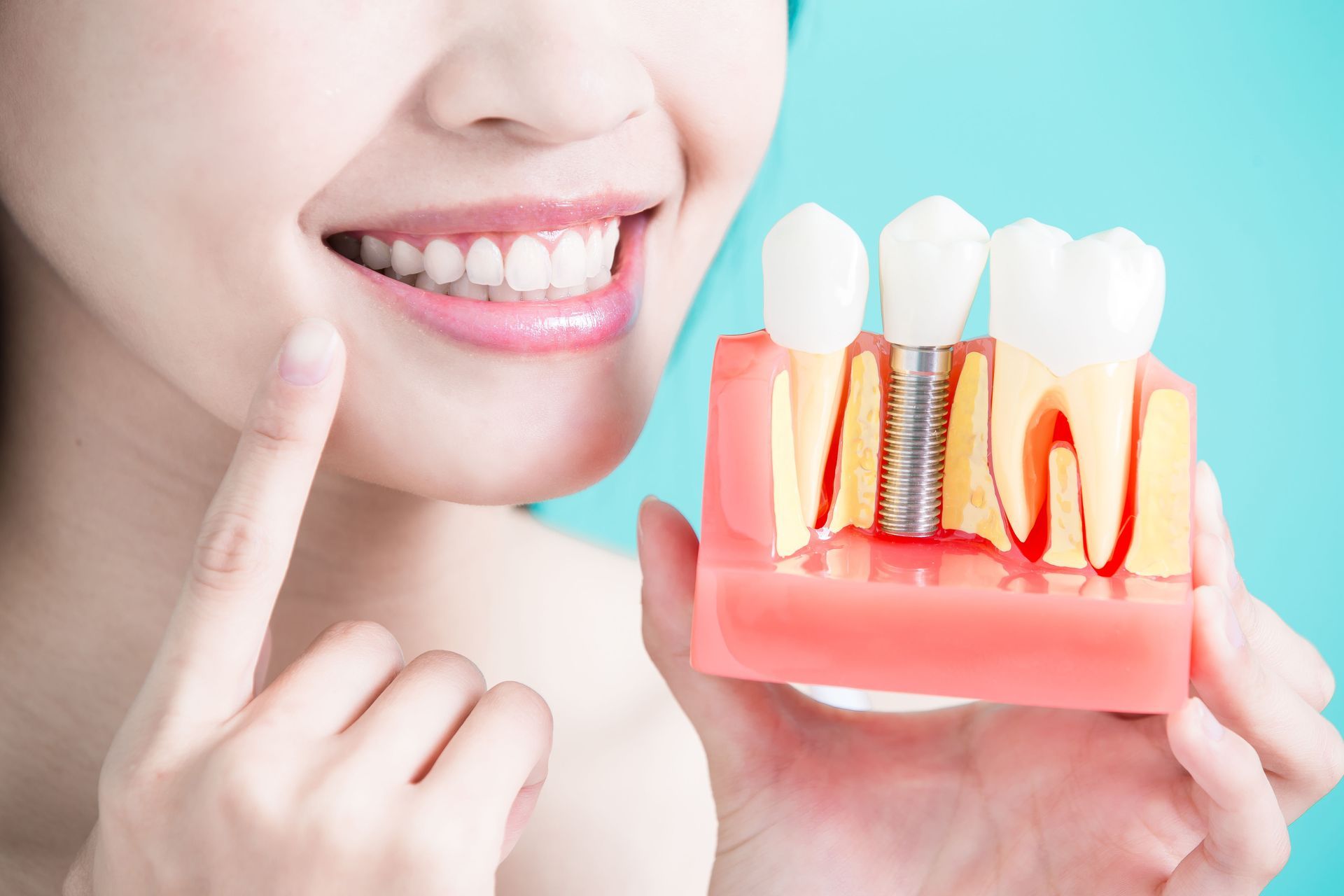
Dental implants are artificial tooth roots, typically made of titanium, surgically placed into the jawbone. They provide a strong foundation for fixed or removable replacement teeth designed to blend seamlessly with your natural teeth. Unlike dentures, implants are permanent and provide better support for chewing and speaking.
The process involves a minor surgical procedure where the implant is placed into the jawbone. Over time, the bone grows around the implant, securing it firmly in place. This process is crucial for the stability and success of the implant.
Implants can be used to replace a single tooth, multiple teeth, or even support a full set of dentures. They are a versatile solution for many dental issues, offering both functional and cosmetic benefits. Understanding this versatility helps appreciate the importance of proper care.
Benefits of Dental Implants
Dental implants offer numerous benefits beyond mere tooth replacement. They help preserve the natural bone structure, preventing bone loss that often occurs with missing teeth. This preservation maintains facial structure and appearance, contributing to a youthful look.
Implants also improve oral health by not requiring the alteration of adjacent teeth, as in the case of dental bridges. This preservation of natural teeth enhances long-term oral health. Additionally, implants restore full chewing capability, allowing you to enjoy a varied diet without restrictions.
Furthermore, dental implants boost confidence by providing a natural-looking smile. They eliminate the discomfort and inconvenience of removable dentures, offering a permanent solution that feels and functions like natural teeth. These benefits underscore the importance of protecting this valuable investment through proper care.
Why Care Is Important
Caring for dental implants is essential to protect your investment and ensure their longevity. Without proper maintenance, implants can fail due to infection or bone loss, leading to costly repairs or replacements. Proper care helps avoid these issues, ensuring the implant remains functional and aesthetically pleasing.
Regular oral hygiene practices, such as brushing and flossing, are vital to prevent plaque buildup around the implant. Plaque can lead to inflammatory conditions that cause implant failure. Consistent care helps maintain healthy gums and bone, critical for implant success.
Neglecting dental implants can result in more than just oral health issues. It can impact overall well-being, as oral health is linked to conditions like heart disease and diabetes. Therefore, investing time in proper care not only protects your implants but also contributes to your overall health.
Ensuring Proper Oral Hygiene
Brushing Schedule
In our experience, brushing your teeth twice a day is fundamental to maintaining the health of your dental implants. Use a soft-bristled toothbrush to avoid damaging the implant surface and surrounding gum tissue. Gentle, circular motions should be employed to effectively remove plaque without causing irritation.
It's crucial to clean along the gumline and the back of each tooth, where plaque can accumulate unnoticed. Electric toothbrushes can be beneficial as they provide consistent pressure and coverage. Investing in a quality toothbrush designed for implants can further enhance your oral hygiene routine.
Additionally, using a low-abrasive toothpaste can prevent scratches on the implant surface. Such scratches can harbor bacteria, leading to complications over time. Thus, choosing the right brushing tools and techniques is essential for the longevity of your implants.
Flossing Techniques
Flossing is an indispensable part of caring for dental implants, as it removes plaque and food particles from between teeth. Special floss designed for implants can be more effective than traditional floss. These options glide easily between the teeth and around implant abutments.
For optimal results, use a gentle sawing motion to avoid damaging the gum tissue. It's important to reach under the gumline to remove debris and prevent inflammation.
If traditional flossing is difficult, water floss can be a great alternative. This option uses a stream of pulsating water to clean between teeth and around implants, effectively removing plaque. Incorporating flossing into your daily routine is crucial for maintaining implant health and preventing complications.
Importance of Consistency
Consistency in oral hygiene practices is key to maintaining the health of dental implants. Regular brushing, flossing, and rinsing with mouthwash help prevent plaque buildup and gum disease. Developing a routine ensures that you don't miss any crucial steps in your daily care.
It's easy to become complacent over time, especially if your implants feel secure and problem-free. However, consistent care is essential for preventing complications that may arise from neglect. Sticking to a routine also helps identify any issues early, allowing for timely intervention.
According to America's Health Rankings, 1 in 5 U.S. adults ages 20-64 has untreated cavities, highlighting the importance of regular dental care. Incorporating consistent oral hygiene practices into your daily life is a proactive step in safeguarding your dental implants and overall oral health.
Scheduling Regular Dental Check-Ups
Frequency of Visits
Regular dental check-ups are vital for monitoring the health of your dental implants. Most dental professionals recommend biannual visits, but your dentist may suggest more frequent appointments based on your specific needs. These visits are crucial for early detection of potential issues.
During these appointments, your dentist will assess the condition of your implants, gums, and overall oral health. They can identify signs of bone loss, which are not always noticeable to the untrained eye. Regular monitoring helps ensure that any concerns are addressed promptly.
Skipping dental check-ups can lead to undetected problems that may escalate over time. Consistent professional evaluations are an essential aspect of implant care, providing peace of mind and prolonging the life of your investment. Make it a priority to attend all scheduled appointments for optimal implant health.
What to Expect During Check-Ups
During a dental check-up for implants, your dentist will conduct a thorough examination of your oral cavity. This includes checking the stability of the implants and the health of the surrounding gum tissue. X-rays may be taken to assess the bone structure and ensure proper integration.
Your dentist will also evaluate your bite and the alignment of your teeth to ensure that the implants are functioning correctly. Any signs of wear or damage to the implant or crown will be noted for further action. This comprehensive examination is crucial for maintaining implant health.
In addition to the examination, your dentist may perform a professional cleaning to remove plaque and tartar buildup. This cleaning is more thorough than what can be achieved at home, reaching areas that are difficult to access. Regular check-ups and cleanings are essential for preventing complications and ensuring the longevity of your implants.
Professional Cleaning
Professional dental cleanings are an integral part of caring for your dental implants. These cleanings involve the removal of plaque and tartar that can accumulate around implants, even with diligent at-home care. Dental hygienists use specialized tools to clean around the implants without damaging them.
Cleanings help prevent gum disease, which can compromise the health of your implants. They also provide an opportunity for your dental team to assess any changes in your oral health. Regular cleanings contribute to the overall maintenance of your implants and oral hygiene.
It's important to follow your dentist's recommendations for the frequency of cleanings, as each patient's needs vary. Some individuals may require more frequent cleanings due to factors like gum disease or smoking. Consistent professional cleanings are key to protecting your investment and maintaining a healthy smile.
If you need high-quality dental implants, reach out to Blaisdell Dental Center today to learn more about our expert dental services.