August 4, 2026

Dental crowns are a cornerstone in the field of dentistry, offering a reliable solution for restoring function and aesthetics to damaged teeth. Historically, their use dates back to early civilizations, when gold and other metals were used to cover damaged or decayed teeth. Today, dental crowns continue to hold an essential place in modern dental practices globally. Their popularity is due in part to their versatility, durability, and adaptability to both functional and cosmetic dental needs. This article explores the ongoing relevance of dental crowns, examining their benefits, developments, and the professional credentials that underpin their continued use.
The Versatility of Dental Crowns
1.1. Restorative Applications
Dental crowns serve as a versatile option in restorative dentistry, capable of addressing a variety of tooth ailments. The design and functionality of crowns allow them to restore the shape, size, and strength of a tooth, effectively restoring its normal function and appearance. Their full coverage of the tooth structure helps protect weakened teeth from further damage while maintaining structural integrity. Consequently, they often accompany treatments like root canals to ensure that the underlying tooth remains protected long-term.
1.2. Adaptability to Different Dental Conditions
The unique adaptability of crowns makes them suitable for a range of dental conditions, from severe decay to cracks and fractures. They play a crucial role when conventional fillings are insufficient to support the structure of a weakened tooth. Crowns can provide coverage for teeth that have sustained large fillings and are at risk of further breakage, reinforcing their structural stability. Their use extends to severe enamel wear cases or teeth that have undergone significant trauma, ensuring comprehensive coverage that mere restorative dentistry procedures often cannot provide. This adaptability is one of the key factors why dental crowns are frequently recommended by dental professionals.
1.3. Use in Cosmetic Dentistry
Aside from their restorative function, dental crowns are also widely used in cosmetic dentistry as a means to enhance the smile and overall dental appearance. They can significantly alter the visual aspects of discolored, misshaped, or misaligned teeth beyond what is achievable with veneers or bonding. Crown materials can be tailored in color to match surrounding teeth, offering a natural design that complements the patient's overall dental aesthetics. The advanced materials used in modern crowns refine aesthetics while minimizing wear and tear, contributing to their overall cosmetic appeal. Therefore, crowns are often chosen as a cosmetic solution when other types of restoration are not viable.
1.4. Compatibility with Other Dental Treatments
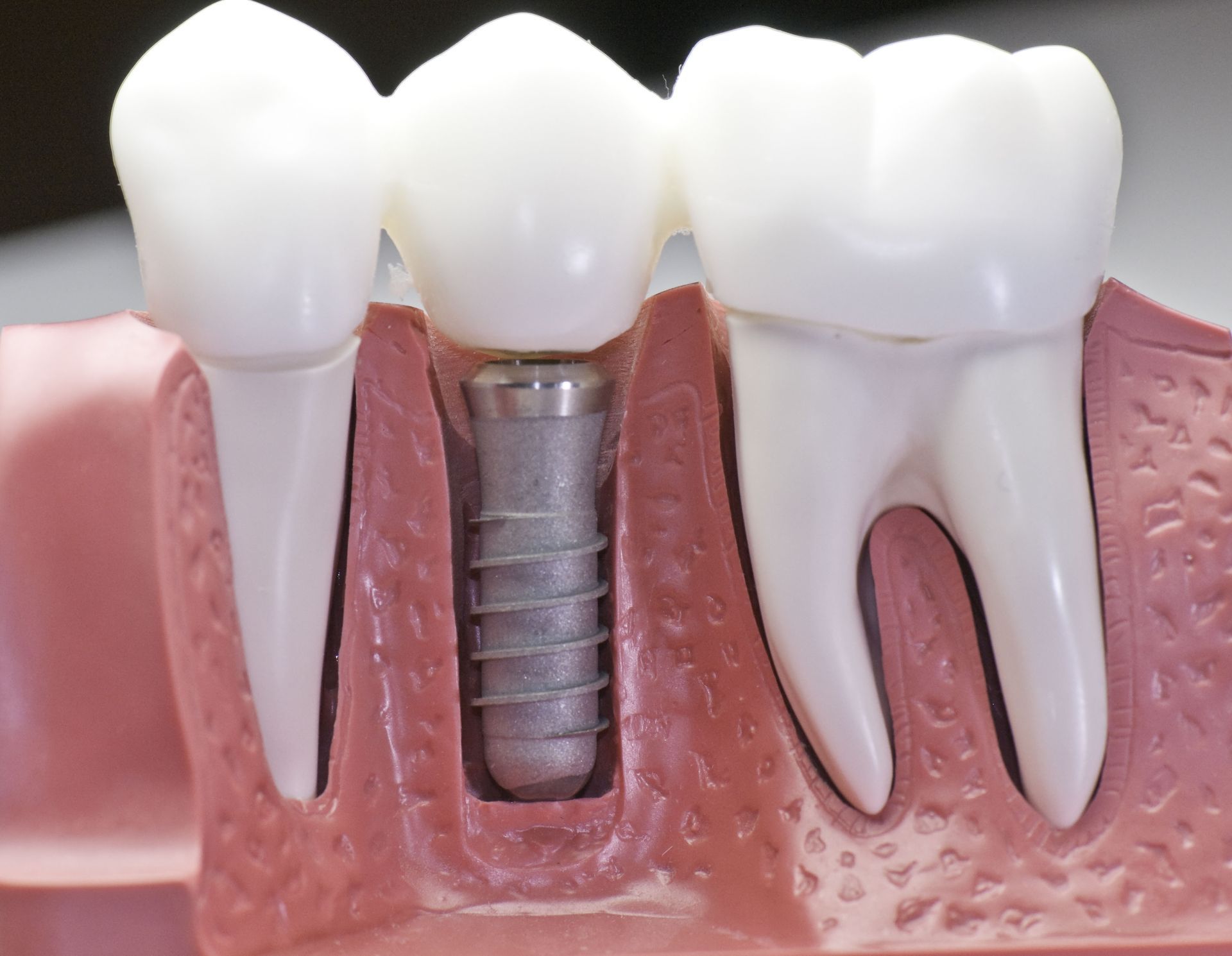
Dental crowns are often utilized in conjunction with other dental procedures because of their compatibility and effectiveness. For instance, they are frequently used after root canal treatments to provide an additional layer of protection and restore full functionality to the treated tooth. Crowns can also be combined with dental bridges to replace missing teeth, utilizing adjacent teeth as anchors. Furthermore, they are compatible with dental implants, acting as the final aesthetic and functional component of an implant restoration. This multi-functional role within diverse treatment plans solidifies their place as a versatile and commonly employed solution.
1.5. Customization for Individual Patients
Customization plays a crucial role in the effectiveness of dental crowns, ensuring that each patient receives a unique restoration tailored to their specific dental requirements. Crowns are crafted to fit the patient's unique bite, which enhances chewing efficiency and comfort. Advanced technologies like CAD/CAM (Computer-Aided Design and Computer-Aided Manufacturing) enable precise fittings, ensuring the crown seamlessly integrates with surrounding teeth both functionally and aesthetically. Dental professionals can work closely with patients to select crown materials, especially for anterior teeth, ensuring that the outcome meets both restorative and aesthetic desires. This personalized approach enhances patient satisfaction and the longevity of the restoration.
Material Advances in Crown Fabrication
2.1. Introduction of Ceramic and Porcelain Crowns
The introduction of ceramic and porcelain crowns marked a significant advancement in dental crown materials, offering superior aesthetic qualities. Unlike metal-based crowns, porcelain crowns mimic the natural translucency and color of tooth enamel, providing a more natural appearance. They are highly resistant to staining, maintaining their aesthetic appeal over time. These materials allow dental professionals to confidently use crowns in the anterior region of the mouth without compromising aesthetics. The high success rate and wide acceptance among patients highlight their continued relevance in modern dentistry.
2.2. Metal and Alloy Innovations
Traditional metal crowns, such as those made from gold alloys, remain a staple in restorative dentistry due to their unparalleled durability and biocompatibility. Recent innovations have seen the development of noble and base metal alloys that combine strength with reduced costs, appealing to a broader range of patients. These metals provide remarkable longevity and are especially useful for molars and premolars where durability is paramount. Metal crowns do not wear down opposing teeth and have a proven track record of withstanding biting and chewing forces. Despite the aesthetic limitations, the functional benefits ensure they continue to be a reliable choice.
2.3. Improvements in Composite Materials
Composite resin crowns have seen remarkable improvements in materials technology, enhancing their application in dentistry. The development of high-density resins has improved the strength and aesthetic appeal of these crowns, making them an attractive choice for cosmetic-focused restorations. Although traditionally less durable than metal or porcelain, advancements in composites have reduced these limitations significantly. The ability to easily reshape and polish resin crowns make them an adaptable choice for difficult cases requiring quick restorative solutions. Enhanced resin materials signify an important area of growth in the dental crowns market.
Benefits of Dental Crowns for Oral Health
3.1. Protection Against Further Decay
One of the primary health benefits of dental crowns is their ability to protect teeth from further decay and damage. By enveloping the natural tooth structure, crowns act as a protective shield, isolating the tooth from harmful bacteria. This full coverage is especially beneficial for teeth with existing fillings or under threat of decay, preserving the integrity of the tooth. Combined with regular dental hygiene practices, crowns play a vital role in preventing future dental issues. Thus, they represent a strategic investment in a patient's overall oral health, preventing additional treatment costs. According to Fortune Business Insights, the global dental crowns market was valued at $3.37 billion in 2025 and is projected to reach $5.80 billion by 2034, growing at a 6.3% CAGR.
3.2. Supporting Weakened Teeth
Dental crowns provide crucial support for teeth that are structurally compromised, either by decay, fracture, or root canal treatment. Their role in reinforcing weakened teeth helps prevent further damage, potentially avoiding tooth extraction, which can lead to additional dental interventions. Structurally, crowns redistribute the forces exerted when chewing, reducing stress on the natural tooth structure and enhancing durability. By fortifying weakened teeth, individuals are able to maintain their natural dentition, which is desirable both for function and aesthetics. This capability underscores the fundamental restorative nature of dental crowns.
Proficient chewing is essential for proper digestion, and dental crowns play a significant role in restoring this function. Damaged or missing teeth can hinder efficient chewing, impacting dietary choices and nutrition. Crowns restore the shape and size of damaged teeth, re-establishing the proper bite and, consequently, improving masticatory effectiveness. This restoration of function empowers patients to enjoy a wide range of foods without discomfort or risk of damage to the dental structure. Improved chewing function contributes to better digestion and overall health, showcasing the impact of dental crowns beyond the oral cavity. Be sure to reach out to Blaisdell Dental Center today to learn more about our professional dental crowns!