August 3, 2026
In the field of modern restorative dentistry, addressing tooth loss is essential for maintaining long-term oral functionality, systemic wellness, and personal confidence. Missing teeth create significant functional challenges, altering bite mechanics, compromising speech clarity, and complicating routine chewing operations. Beyond immediate physical inconveniences, tooth loss initiates structural degradation within underlying jawbone tissues, causing surrounding natural teeth to shift out of alignment over time. While traditional bridges and removable dentures offer functional surface restoration, advanced dental techniques provide permanent structural solutions. Choosing a tooth implant represents a transformative approach to oral health, delivering long-term structural stability that mimics natural dental anatomy. By integrating directly with foundational bone structures, advanced dental restorations preserve jaw integrity, protect healthy adjacent teeth, and support lifelong smiles.
Understanding the lasting advantages of comprehensive oral restoration illuminates why missing teeth require prompt structural intervention. According to BuzzRx, more than 120 million Americans are missing at least one tooth, while over 36 million have no natural teeth remaining. This widespread prevalence highlights the importance of adopting reliable, durable, and physiologically sound replacement options. Investing in a permanent tooth implant ensures that individuals restore complete oral function while protecting underlying skeletal structures from progressive deterioration. Beyond simple surface aesthetics, permanent dental roots provide structural foundation, functional power, and aesthetic harmony that endure across decades of daily living.
Preserving Structural Jawbone Density and Integrity
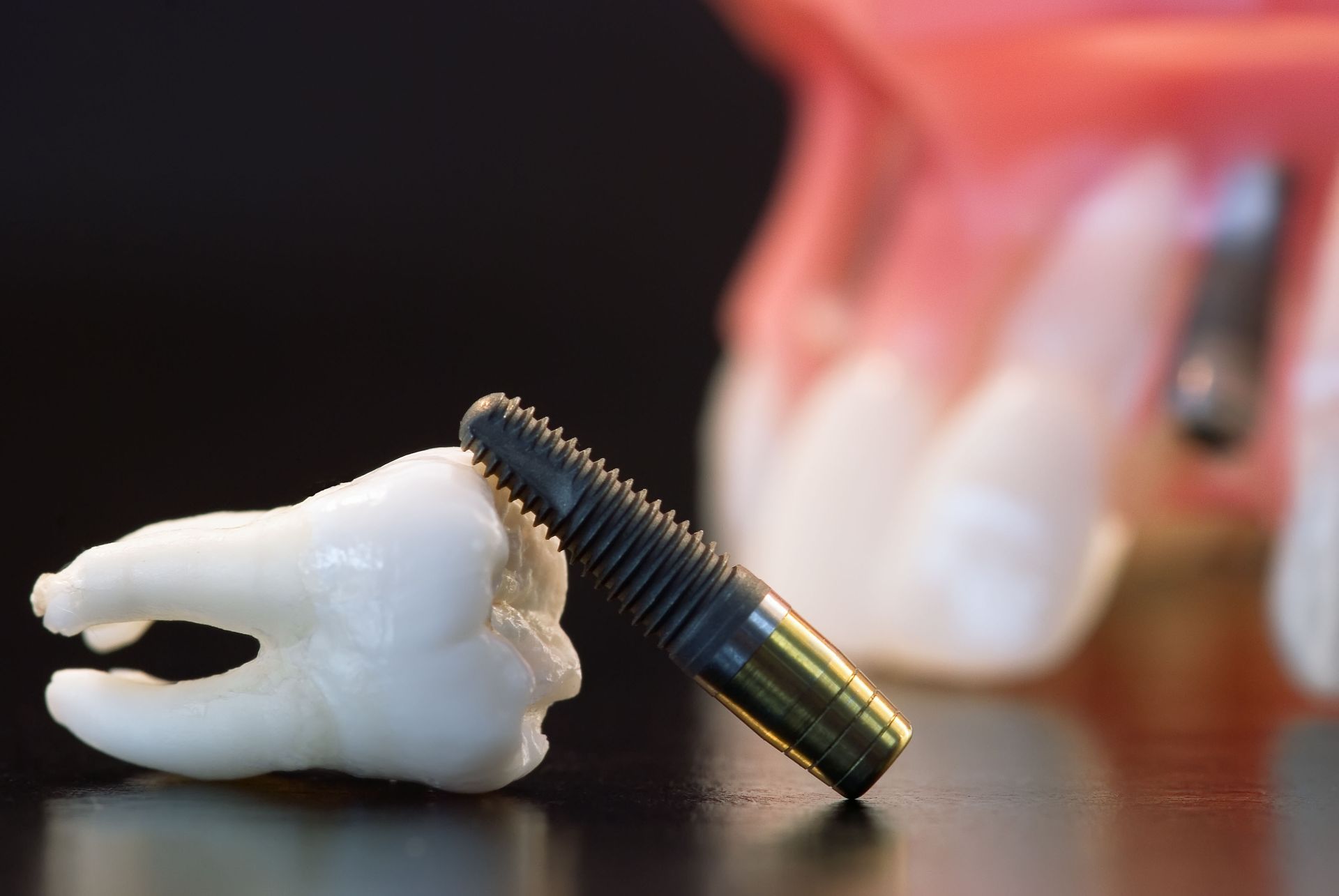
Natural tooth roots serve a critical function beyond supporting visible crowns; they deliver essential mechanical stimulation to underlying jawbone tissue during chewing and biting activities. When a tooth is lost, the surrounding bone structure stops receiving functional stimulation, initiating progressive bone resorption and localized tissue deterioration. Over extended periods, bone loss alters facial proportions, causing sunken cheeks, prematurely aged facial contours, and structural collapse around the mouth. Utilizing a tooth implant prevents this skeletal degradation by inserting a bio-compatible titanium post directly into the jawbone.
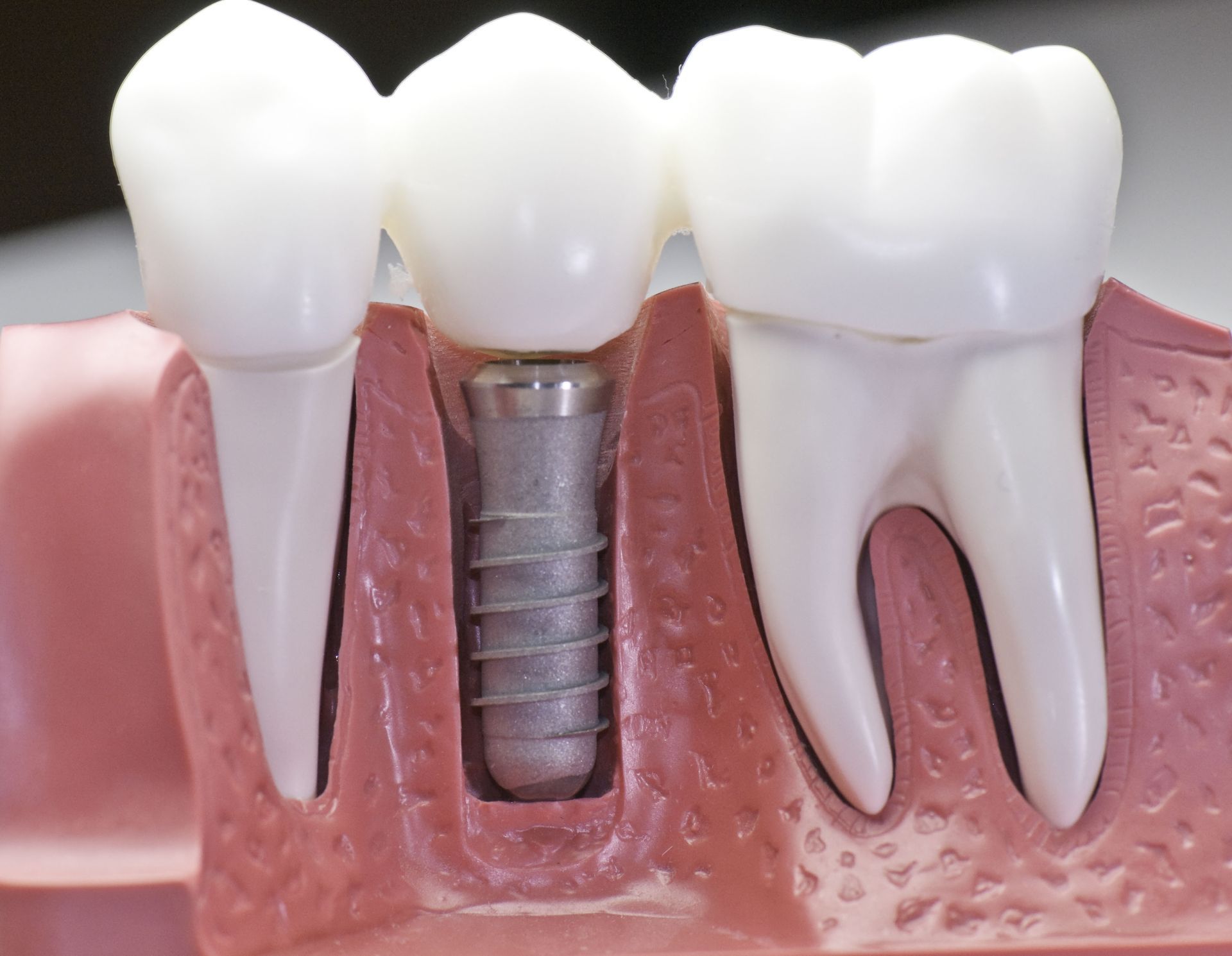
Through a natural biological bonding process called osseointegration, the titanium post fuses permanently with surrounding bone tissue, effectively replacing missing root structure. This artificial root delivers continuous functional stimulation during daily mastication, actively encouraging healthy bone remodeling and preventing structural volume loss. Preserving jawbone density ensures long-term structural support for surrounding facial muscles, maintaining youthful facial aesthetics and preventing progressive jaw collapse. By safeguarding foundational bone health, dental implants provide permanent stability that traditional surface prosthetics simply cannot replicate.
Protecting Adjacent Healthy Tooth Structures
Traditional restorative methods, such as fixed dental bridges, frequently require compromising the structural integrity of neighboring healthy teeth. To secure a conventional bridge, adjacent healthy teeth must undergo enamel reduction and shaping to serve as support abutments. Removing protective enamel exposes sound teeth to heightened risks of decay, structural weakening, and future pulp sensitivities. Conversely, placing a tooth implant creates an independent restoration that relies entirely on foundational jawbone support rather than neighboring teeth.
By operating as a standalone replacement, an artificial root preserves surrounding natural tooth structures in their pristine, untouched state. Surrounding enamel remains intact, reducing risks of secondary decay and maintaining natural dental strength throughout the arch. Furthermore, filling dental gaps prevents adjacent teeth from drifting into open spaces, which typically compromises bite alignment and causes difficult cleaning angles. Preserving natural tooth placement minimizes periodontal complications, stabilizes bite alignment, and ensures that healthy natural teeth remain strong and undisturbed for decades.
Restoring Full Masticatory Strength and Functionality
Living with missing teeth or loose removable dentures severely restricts dietary choices, forcing individuals to avoid tough, crunchy, or fibrous foods that require substantial chewing pressure. Reduced masticatory efficiency negatively impacts nutritional intake, digestive health, and overall daily enjoyment of meals. A permanent tooth implant restores complete chewing power by anchoring firmly into foundational bone, providing functional strength equivalent to healthy natural teeth.
Because artificial roots fuse directly with jawbone structures, replacement crowns remain completely stable under heavy biting pressure. Individuals can comfortably enjoy a balanced diet featuring raw vegetables, lean meats, nuts, and whole grains without experiencing slip, displacement, or localized tissue discomfort. Firm stability during eating enhances digestive efficiency, as food is properly broken down before swallowing. Restoring complete masticatory function empowers individuals to maintain proper nutrition, supporting long-term systemic health and overall physical vitality without dietary restrictions.
Elevating Long-Term Daily Cleaning Efficiency
Maintaining proper oral hygiene around complex dental restorations is vital for preventing gum disease and protecting long-term oral health. Removable prosthetics, such as partial dentures, require specialized cleaning routines, nocturnal soaking solutions, and frequent adhesive applications that complicate daily hygiene. Traditional dental bridges create joined crown units that block natural interdental spaces, requiring specialized threaders to clean underneath suspended prosthetic teeth. In contrast, caring for specialized dental restorations mirrors standard oral hygiene practices, simplifying daily maintenance routines.
Individual artificial crowns behave identically to natural teeth, allowing individuals to brush and floss normally without specialized equipment or cumbersome procedures. Standard interdental flossing effectively removes plaque and food debris from surrounding gum margins, preventing localized inflammation and peri-implant complications. Simple daily cleaning routines foster consistent oral hygiene compliance, ensuring surrounding gum tissues remain firm, pink, and healthy. Simplifying daily oral care protects long-term dental investments, supporting sustainable hygiene habits that preserve beautiful smiles for a lifetime.
Preventing Unintended Facial Structural Changes
Progressive bone loss resulting from untreated tooth loss leads to noticeable changes in lower facial geometry over time. As jawbone volume diminishes, the distance between the nose and chin decreases, causing lip thinning, heightened facial wrinkling, and sagging jawlines. These structural alterations can significantly impact self-esteem, making individuals feel older than their actual age. Securing a stable tooth implant maintains natural jaw height and supports surrounding facial soft tissues, preventing premature facial collapse.
By preserving continuous bone structure, artificial root replacements provide firm structural support for lip contours and lower facial muscles. Restoring natural facial symmetry restores personal confidence, allowing individuals to speak, laugh, and smile openly without feeling self-conscious about shifting prosthetics or hollow facial appearances. Sustainable structural support ensures that aesthetic improvements remain consistent across time, preserving youthful facial contours and natural expressions throughout mature adulthood.
Ensuring Superior Long-Term Cost Value
Evaluating dental restoration options requires considering long-term durability alongside initial treatment costs. Removable dentures and traditional bridges typically require frequent adjustments, relining procedures, or complete replacements as surrounding jawbone structures reshape over time. These ongoing maintenance expenses, combined with potential treatments for compromised adjacent teeth, accumulate substantial financial costs over extended periods. Conversely, opting for permanent dental roots provides a durable restoration that rarely requires replacement when properly maintained.
High success rates and durable titanium construction ensure that artificial roots withstand continuous masticatory forces across lifetime usage. Exceptional longevity transforms initial treatment investments into highly economical long-term value, eliminating recurring replacement costs associated with temporary prosthetics. Minimizing future dental interventions saves valuable time, reduces personal stress, and provides peace of mind.
Addressing tooth loss through advanced dental solutions is fundamental for preserving oral health, functional comfort, and facial aesthetics. From preventing jawbone resorption and protecting healthy neighboring teeth to restoring full chewing power and simplifying daily hygiene, artificial root replacements deliver comprehensive physiological benefits that endure over time. Choosing permanent structural solutions safeguards foundational jaw health, elevates daily quality of life, and ensures long-lasting smile stability.
At Blaisdell Dental Center, our team specializes in delivering personalized, high-performance dental restoration solutions tailored to your unique oral health needs. We are dedicated to helping you restore complete functional comfort, protect foundational jaw structures, and achieve a beautiful, confident smile that lasts a lifetime. Contact us today to schedule your consultation and explore how advanced structural restorations can transform your long-term oral health.