July 2, 2026
Losing a tooth affects much more than the appearance of a smile. Missing teeth can influence how a person eats, speaks, and even how the jawbone functions over time. While several restorative options are available, many patients are seeking solutions that provide both stability and long-term benefits. Advances in modern dentistry have made it possible to replace missing teeth in ways that closely mimic the structure and function of natural teeth.
When a tooth is lost, the surrounding bone no longer receives the stimulation that comes from chewing. This change can gradually lead to bone deterioration and shifts in facial structure. Restoring the missing tooth promptly can help preserve oral health and reduce the risk of future complications. Patients often discover that the right treatment option can improve not only their smile but also their overall quality of life.
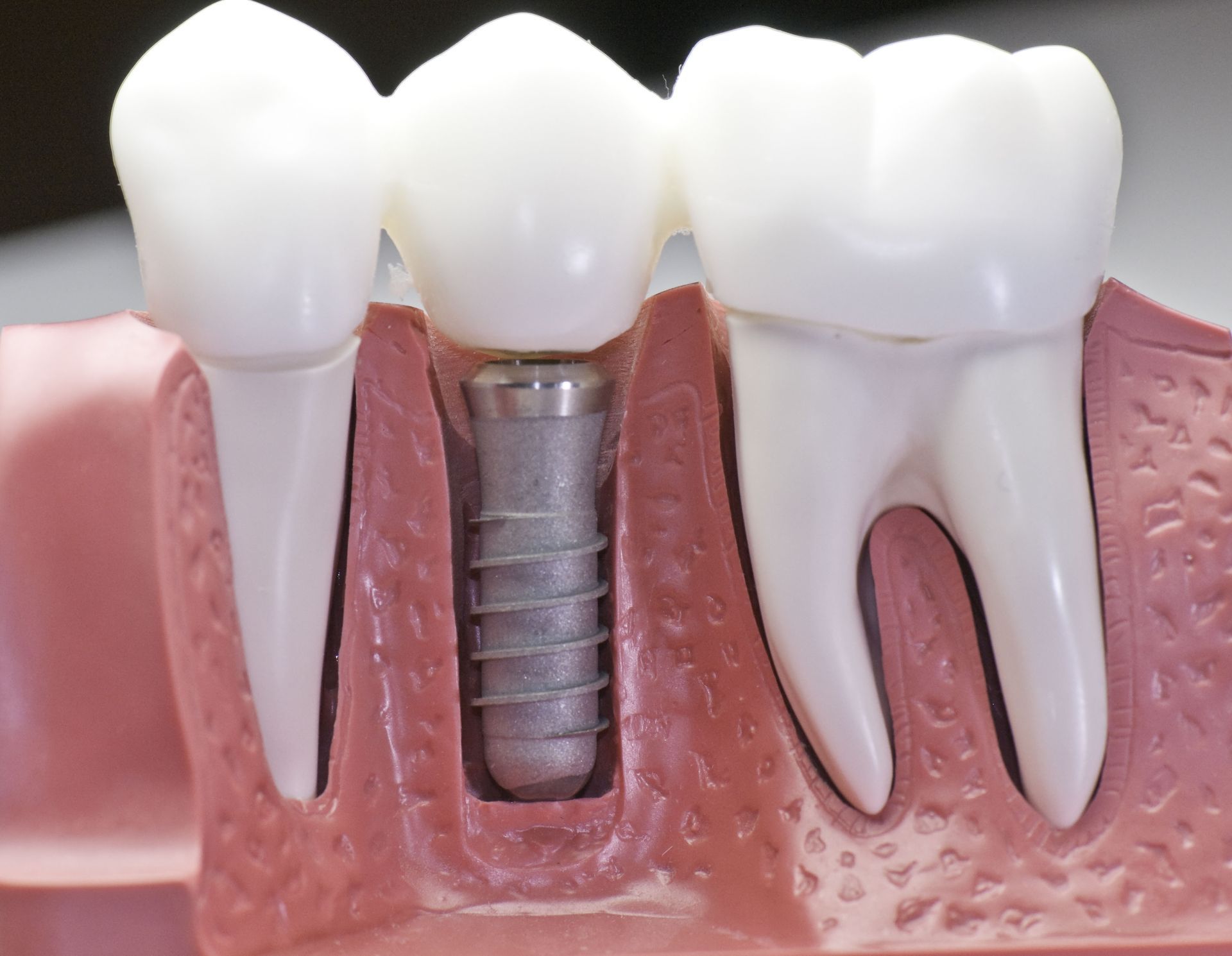
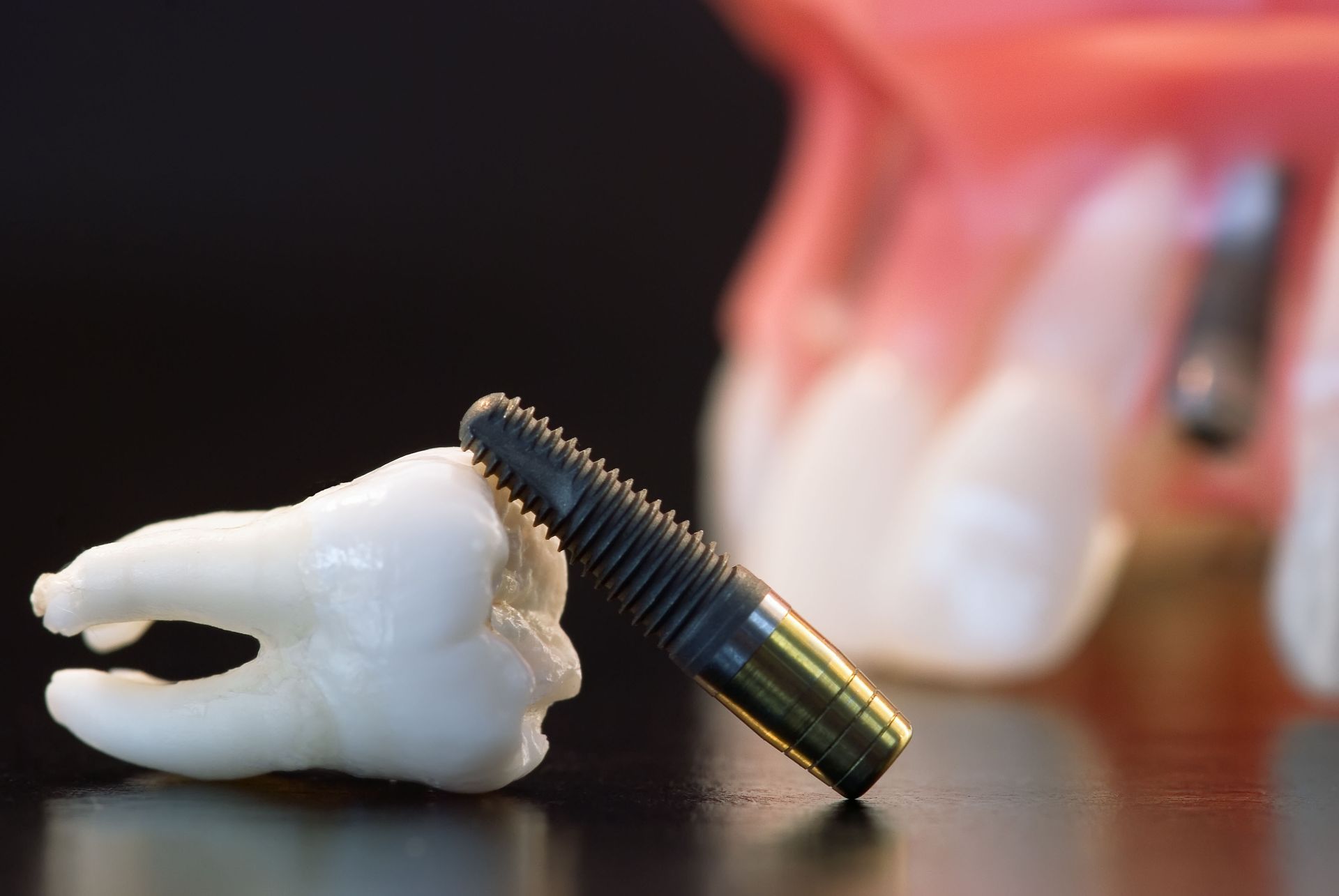
Among today's restorative choices, teeth implants have become a popular option because of their durability and ability to support long-term oral wellness. Understanding their advantages can help patients make informed decisions about their dental care and future health.
Preserving Jawbone Strength and Density
One of the most significant benefits of replacing missing teeth is the preservation of jawbone health. Natural tooth roots stimulate the jawbone during daily activities such as chewing and biting. When a tooth is lost, that stimulation disappears, allowing the bone in the affected area to begin shrinking over time.
Teeth implants are designed to function similarly to natural tooth roots by integrating directly with the jawbone. This process helps encourage continued bone stimulation and supports the maintenance of bone density. Preserving bone structure contributes to better oral stability and reduces the likelihood of future deterioration. Patients who maintain healthy bone levels may avoid complications associated with significant bone loss. Supporting jawbone integrity also helps neighboring teeth remain in their proper positions. The ability to maintain underlying bone structure makes this restorative approach beneficial beyond aesthetics. Protecting jaw health contributes to overall oral function and comfort throughout the years.
Supporting Natural Facial Appearance
Changes beneath the surface of the gums can eventually influence facial appearance. Bone loss resulting from missing teeth may contribute to a sunken or aged look around the mouth and lower face. These structural changes often occur gradually and may become more noticeable with time.
By helping preserve jawbone volume, teeth implants support the natural contours of the face. Patients frequently appreciate that their smiles maintain a fuller and healthier appearance. Retaining facial structure can positively influence confidence and self-image. The support provided beneath the gums helps avoid the collapsed appearance that sometimes accompanies prolonged tooth loss. Individuals often feel more comfortable engaging socially when they are satisfied with their appearance. A restored smile that complements natural facial features contributes to emotional well-being. Addressing tooth loss promptly can help preserve both function and aesthetics for years to come.
Improving Everyday Eating Experiences
Eating comfortably is an important part of maintaining overall health. Missing teeth can limit food choices and make chewing difficult or inefficient. Some individuals begin avoiding nutritious foods because they find them uncomfortable to eat.
Teeth implants offer stability that allows patients to enjoy a broader range of foods with greater confidence. Their secure placement minimizes movement while chewing, supporting more effective bite function. Individuals often find it easier to consume foods that require additional chewing effort. Improved chewing efficiency may contribute to better digestion and nutritional intake. Enjoying meals without concern about shifting dental restorations can enhance daily experiences. Patients frequently report greater satisfaction during social gatherings and family meals. Restoring the ability to eat comfortably supports both physical health and quality of life.
Encouraging Long-Term Durability and Reliability
When considering restorative treatment, longevity is often an important factor. Patients naturally want solutions that provide lasting value and dependable performance. Selecting a durable option can minimize future inconvenience and expense.
According to BuzzRx, dental implants commonly remain effective for approximately 10 to 30 years and, in some situations, may last a lifetime when supported by consistent oral hygiene habits and routine dental visits. This extended lifespan makes teeth implants an appealing option for individuals seeking long-term restoration. Their design prioritizes strength and stability under everyday use. Patients who follow recommended care guidelines often enjoy dependable results for many years. Preventive dental appointments play an important role in preserving implant health. Investing in durable treatment may reduce the need for frequent replacements associated with other restorative methods. Long-lasting outcomes contribute to confidence and peace of mind.
Promoting Better Alignment of Remaining Teeth
Each tooth plays a role in maintaining the overall balance of the dental arch. When gaps remain untreated, neighboring teeth may gradually shift into the open spaces. These movements can alter bite alignment and create additional oral health concerns.
Teeth implants help preserve the spacing established by natural teeth. Filling the gap created by tooth loss supports proper positioning throughout the mouth. Preventing unwanted movement reduces the likelihood of crowding and bite irregularities. Patients may avoid complications that could otherwise require orthodontic intervention. Stable alignment also contributes to improved chewing efficiency and comfort. Supporting the integrity of the dental arch protects the function of surrounding teeth. Addressing missing teeth promptly promotes a healthier and more balanced smile.
Enhancing Confidence in Daily Interactions
A smile often influences how individuals perceive themselves and engage with others. Missing teeth can affect self-esteem and lead some people to avoid smiling or participating fully in conversations. Feelings of embarrassment may impact both personal and professional relationships.
Many patients experience renewed confidence after receiving teeth implants. The natural appearance and secure fit help individuals speak and smile without hesitation. Increased self-assurance can positively affect social experiences and workplace interactions. Feeling comfortable with one's appearance often encourages greater participation in activities that bring joy and fulfillment. Patients frequently describe a sense of relief knowing their restoration remains stable throughout the day. Improved confidence contributes to emotional wellness and overall life satisfaction. Restoring a complete smile can have meaningful effects that extend beyond oral health.
Simplifying Daily Oral Care Routines
Practicality is another consideration when evaluating restorative options. Complex maintenance requirements may become burdensome over time and influence treatment satisfaction. Many individuals appreciate solutions that fit comfortably within their existing routines.
Teeth implants can generally be cared for using familiar oral hygiene practices. Brushing, flossing, and attending regular dental examinations remain essential components of maintaining oral health. Patients often value the ability to clean their restorations similarly to natural teeth. Establishing consistent habits supports the health of surrounding gum tissue and underlying structures. Routine care also allows dental professionals to monitor implant stability and identify concerns early. Simpler maintenance requirements may improve adherence to recommended hygiene practices. Convenient daily care contributes to long-term success and patient satisfaction.
Supporting Overall Health and Wellness
Oral health is closely connected to broader aspects of well-being. Challenges involving chewing, nutrition, and self-confidence can influence physical and emotional health over time. Addressing dental concerns proactively supports a more comprehensive approach to wellness.
Teeth implants provide benefits that extend beyond replacing missing teeth. Improved chewing ability may encourage healthier dietary habits and better nutritional intake. Preserving jawbone health supports structural stability within the mouth. Enhanced confidence can strengthen social connections and emotional resilience. Maintaining oral function contributes to greater independence during everyday activities. Patients often appreciate the peace of mind that accompanies a dependable restorative solution. Investing in comprehensive dental care reflects a commitment to long-term health and an improved quality of life.
Replacing missing teeth involves more than restoring appearance. The right treatment can preserve jawbone strength, support facial structure, improve nutrition, and contribute to emotional well-being. From maintaining alignment to simplifying oral hygiene routines, the benefits associated with modern implant dentistry extend throughout many aspects of daily life. Choosing a solution that prioritizes both function and longevity can have a lasting impact on overall health.
If you're considering your options for replacing missing teeth, the team at Blaisdell Dental Center is here to help. Our compassionate professionals can evaluate your needs, answer your questions, and develop a personalized treatment plan designed to support your long-term oral health. Contact us today to learn how dental implant solutions can help you achieve a stronger smile and a healthier future.