November 2, 2026
Maintaining a healthy, vibrant smile involves far more than simply brushing and flossing every morning and night. Over time, daily wear, unexpected physical injuries, and structural decay can weaken natural enamel, leading to discomfort and reduced oral functionality. When a tooth experiences significant compromise, standard fillings may no longer provide sufficient structural reinforcement to withstand daily chewing forces. Ignoring subtle warning signs can allow minor damage to progress into severe complications, sometimes leading to irreversible tooth loss. Recognizing when your smile requires extra protection allows you to take action before structural issues compound. Custom tooth restorations provide a durable shield that preserves natural tooth structure, restores proper chewing function, and enhances your overall aesthetic appearance. Understanding the indicators of dental compromise helps you address problems early, keeping your smile strong, comfortable, and complete for decades to come.
Recognizing Severe Decay Beyond Standard Fillings
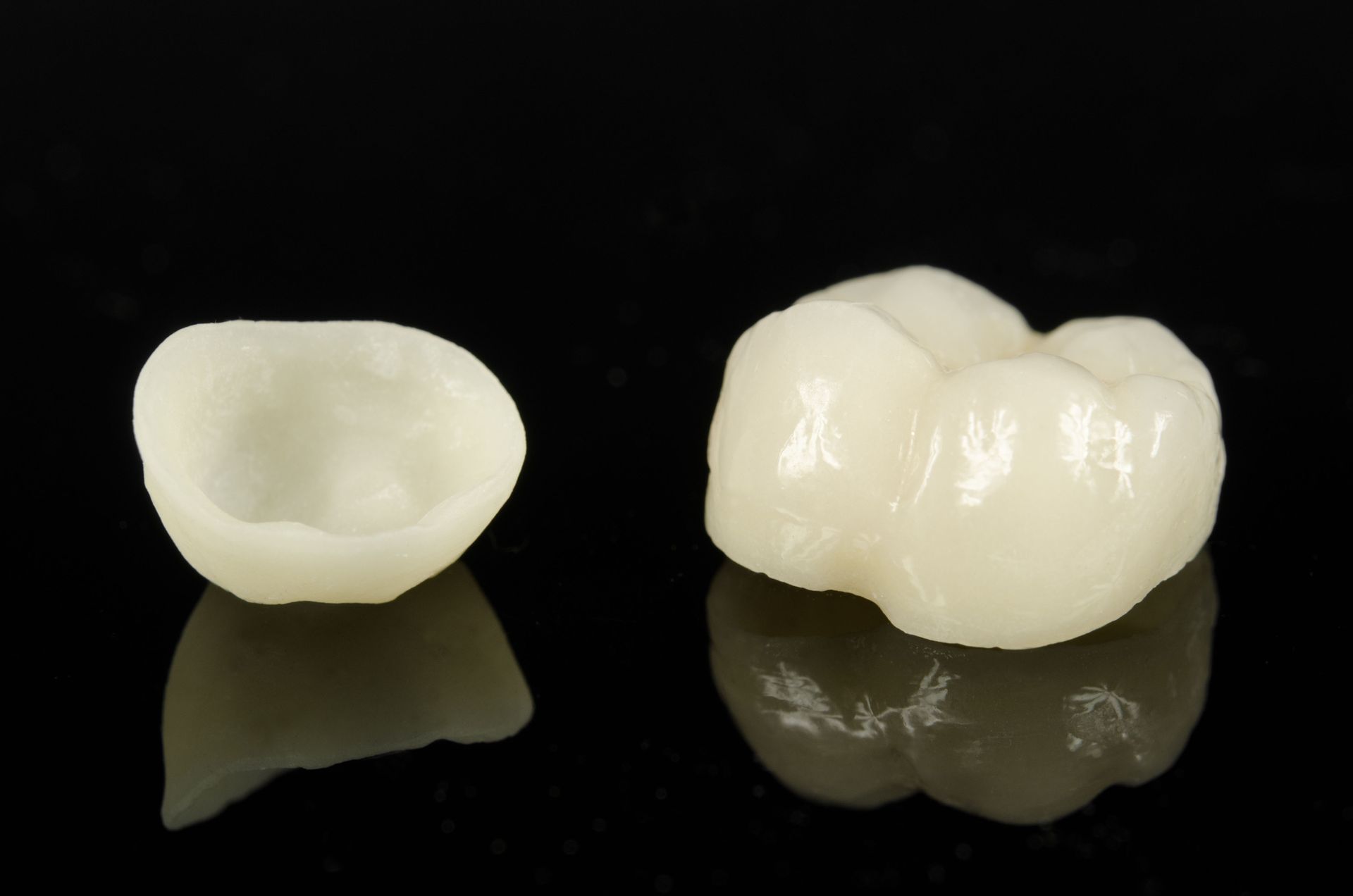
Tooth decay is one of the most widespread health concerns globally, affecting individuals across every age group and background. According to the World Health Organization, an estimated 3.7 billion people around the world are affected by oral diseases, underscoring the vital importance of timely dental care. When cavity damage spreads across a large portion of a tooth, placing a traditional filling can actually weaken the surrounding walls further. In these situations, placing a custom dental crown offers a complete protective cover that encircles the entire visible portion of the tooth. This full-coverage approach distributes biting pressure evenly across the structure rather than concentrating force on compromised enamel. Securing structural reinforcement early prevents deep decay from reaching sensitive inner nerves, preserving your natural root structure.
Addressing Visible Cracks and Structural Fractures
Microscopic cracks can form in tooth enamel due to biting down on hard foods, suffering physical trauma, or clenching your jaw unconsciously. Over time, these small fractures expand, creating painful pressure whenever you chew or consume cold beverages. Placing a protective dental crown over a fractured tooth binds the remaining structural sections together, preventing cracks from spreading deeper into the root system. Without this defensive barrier, a cracked tooth can easily split completely apart, leaving extraction as the only remaining option. Enclosing the damaged area promptly eliminates sharp pain, stabilizes your bite, and allows you to chew comfortably without fear of sudden breakage.
Protecting Teeth After Root Canal Therapy
Root canal treatment is essential for removing deep infection and saving natural teeth that would otherwise need to be extracted. However, removing the infected nerve tissue and blood supply inside the tooth leaves the remaining physical structure somewhat brittle over time. To restore strength and prevent future structural failure, placing a durable dental crown over the treated tooth is standard practice. This custom cap acts as a solid helmet, protecting the hollowed-out tooth from the heavy pressures of everyday chewing. Shielding a root-treated tooth ensures long-term stability, allowing it to function naturally alongside surrounding teeth without risk of cracking.
Restoring Severe Surface Wear from Grinding
Chronic teeth grinding, also known as bruxism, gradually wears down enamel, flattening tooth surfaces and shortening your natural bite. As enamel thins out, underlying dentin becomes exposed, causing heightened sensitivity to hot and cold temperature shifts. Placing a custom dental crown on severely worn teeth restores lost vertical height and rebuilds proper bite alignment. This structural restoration reduces jaw strain and prevents further enamel loss across your arch. Restoring proper tooth shape and length brings back full chewing efficiency while improving overall facial aesthetics damaged by years of clenching and grinding.
Replacing Massive or Failing Amalgam Fillings
Many adults have older metal or composite fillings that cover a major portion of their natural tooth structure. Over decades of daily use, these oversized fillings can weaken, leak, or develop secondary decay beneath their edges. When a massive filling begins to fail, there is often too little natural enamel left to support another standard restoration. Replacing a failing filling with a fitted dental crown encases the remaining healthy tooth structure safely. This full-coverage approach seals out bacteria, stops hidden decay, and provides a permanent upgrade in both durability and appearance.
Correcting Severe Discoloration and Aesthetic Imperfections
While surface stains can often be brightened with standard bleaching, deep interior discoloration caused by medication, trauma, or past medical treatments resists surface whitening. Furthermore, naturally misshapen, gapped, or abnormally small teeth can detract from your overall smile confidence. Choosing a porcelain or ceramic dental crown allows you to completely transform the color, shape, and proportions of a severely blemished tooth. Modern tooth-colored materials match surrounding teeth seamlessly, reflecting light just like natural enamel. This dual benefit restores complete physical strength while elevating your visual aesthetics in one comprehensive step.
Relieving Persistent Pain When Chewing
Experiencing sharp, localized pain when biting down on specific foods is a major indicator that a tooth has lost its structural integrity. This discomfort often stems from subtle flexing in a cracked tooth or pressure on exposed nerve endings beneath weakened enamel. Installing a sturdy dental crown stops this movement by completely enclosing the affected area in a rigid, protective shell. Once the restoration is securely cemented in place, biting forces are absorbed uniformly across the cap rather than irritating underlying nerves. Resolving chewing discomfort allows you to enjoy your favorite foods again without hesitation or sharp pain.
Supporting Fixed Dental Bridges for Missing Teeth
Losing a single tooth creates a gap that can cause neighboring teeth to drift out of alignment over time. Dental bridges offer a time-tested solution for filling these empty spaces, using neighboring natural teeth as supportive anchors. To hold the replacement tooth securely in place, each anchoring tooth is fitted with a strong dental crown. These supporting caps bear the stress of the bridge, ensuring that biting forces are safely distributed across your jaw. Utilizing high-strength materials for bridge supports ensures lasting stability and restores complete oral functionality across the entire arch.
Capping Dental Implants for Complete Tooth Replacement
When a natural tooth cannot be saved and must be extracted, dental implants offer the premier permanent replacement option. The implant post itself acts as an artificial root embedded in the jawbone, but it requires a visible topper to complete the restoration. Attaching a custom dental crown onto the implant abutment creates a fully functional, natural-looking replacement tooth. This top portion is crafted to match the exact contours and shade of adjacent natural teeth, blending flawlessly into your smile. Completing an implant with a custom cap restores full biting power and preserves jawbone density for long-term oral health.
Preventing Future Complications Through Early Action
Postponing necessary structural repairs often leads to far more extensive and costly procedures down the road. A weakened tooth that goes unshielded can suffer a catastrophic fracture below the gumline, making preservation impossible. Scheduling timely restorative care when early warning signs appear protects your natural anatomy and avoids unexpected emergency procedures. Investing in a quality dental crown preserves your natural bite alignment, maintains proper spacing between neighboring teeth, and protects your overall oral health investment. Proactive care is always the most effective path to maintaining a pain-free, fully functional smile.
Recognizing the warning signs of structural tooth damage is crucial for taking control of your oral health before minor issues escalate into severe complications. From reinforcing cracked enamel and protecting root-treated teeth to restoring full chewing function after decay, full-coverage dental crowns offer an effective solution for saving compromised teeth. Maintaining a healthy, comfortable smile enhances your everyday quality of life, allowing you to speak, chew, and smile with total ease. Addressing structural vulnerabilities early preserves natural tooth roots and keeps your jaw aligned properly over time. For personalized care, comprehensive evaluations, and complete smile restoration, contact Blaisdell Dental Center today to schedule your consultation and protect your health.