October 3, 2026
Replacing missing teeth has traditionally involved several different treatment options, each with its own considerations for comfort, appearance, maintenance, and long-term function. As dental technology continues to evolve, patients have gained access to alternatives designed to address individual needs while supporting everyday oral function. One option receiving increasing attention is dental implants, which can provide stable support for certain tooth replacement solutions.
The appeal of this approach can extend beyond restoring the appearance of a smile. For appropriate candidates, implants may provide stability for dental restorations while helping patients regain greater confidence during everyday activities. Understanding why this treatment continues to attract attention can help patients have more informed conversations with their dental professionals about tooth replacement.
Understand the Appeal
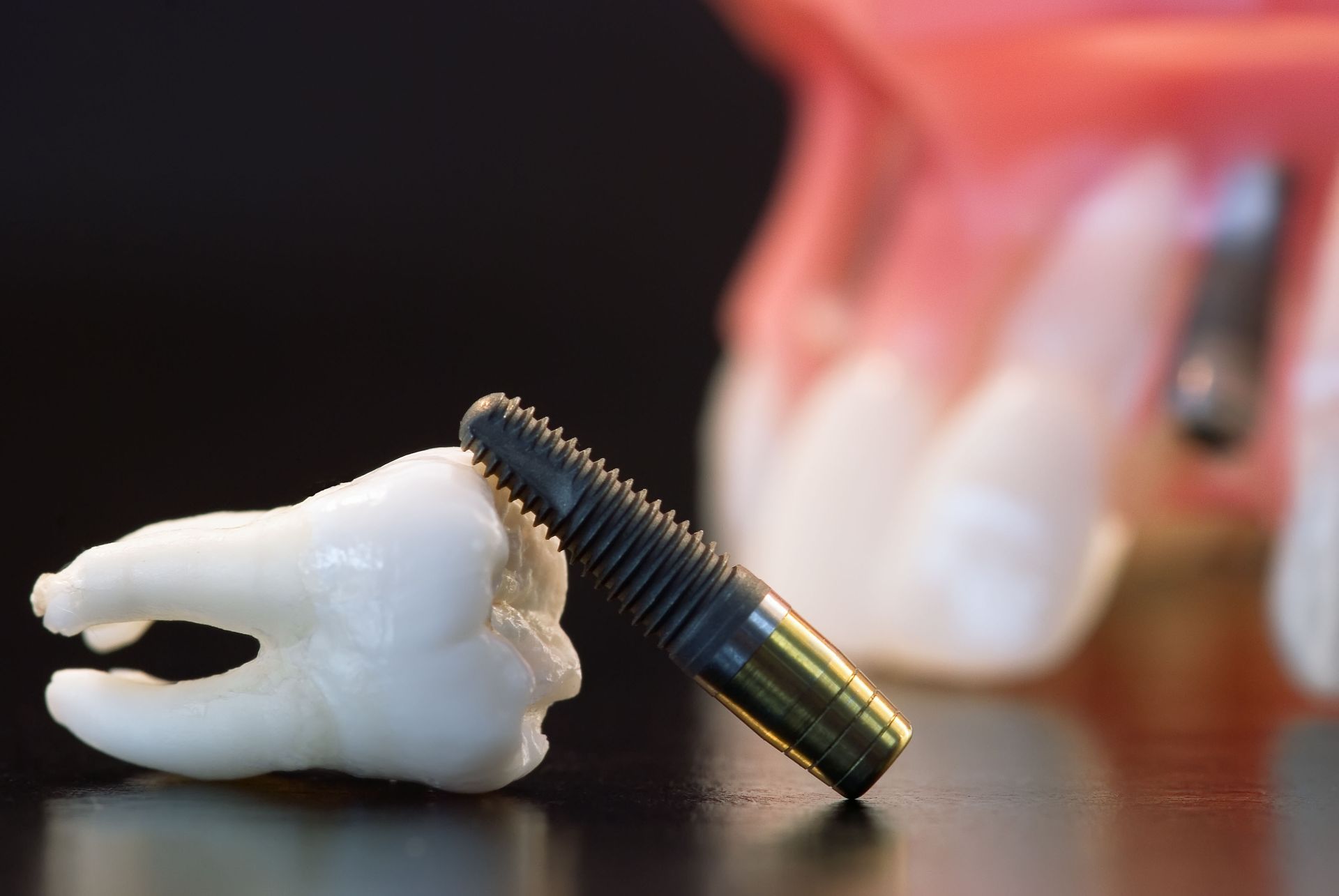
Dental implants are designed to replace the function of missing tooth roots by providing a stable foundation for a restoration. Depending on the patient's circumstances, an implant may support an individual replacement tooth, a bridge, or another restoration.
Patients often appreciate treatment options that balance functional improvement with long-term stability. Missing teeth can affect chewing, speaking, confidence, and everyday comfort, so restoring support can have benefits that extend beyond appearance.
Another reason interest continues to grow is the flexibility associated with modern dental treatment. Rather than assuming every patient requires the same approach, dental professionals can evaluate the condition of the mouth, available bone, existing restorations, and overall treatment goals. That individualized process helps determine whether implants are appropriate.
Evaluate Patient Comfort
Comfort is an important consideration whenever a patient is exploring tooth replacement. The prospect of dental treatment can understandably create questions about the procedure, recovery, and what the experience will feel like.
Dental implants may appeal to patients who are interested in a stable alternative to removable tooth replacement. However, implants are not automatically appropriate for everyone. A dental professional still needs to evaluate the patient's oral health and determine whether the treatment can provide the necessary support.
The potential for a carefully planned treatment process can also make tooth replacement feel more approachable. Patients who have delayed treatment because they are concerned about extensive dental work may be more willing to discuss their options when they understand what the process involves and why a particular approach may suit their circumstances.
Restore Everyday Function
Missing teeth can create practical challenges that affect everyday routines. Gaps may make chewing certain foods more difficult, while an unstable denture can shift during meals or conversations. Tooth replacement aims to restore greater stability and function so patients can feel more comfortable using their mouths naturally.
Dental implants can provide support for certain restorations, helping them remain stable during ordinary activities. For patients who have struggled with removable tooth replacement, implant-supported options may provide additional confidence when speaking, eating, or smiling. The specific benefits depend on the patient's anatomy, restoration, and treatment plan.
Improved stability can also change how patients experience their replacement teeth. Instead of constantly being aware of movement or looseness, some patients may experience a restoration that feels more secure during daily activities.
Function and appearance can work together, too. A well-planned restoration is intended to complement the patient's existing teeth and facial features while supporting practical oral function.
Consider Treatment Candidacy
Not every patient is an ideal candidate for every type of implant treatment. Dental professionals consider several factors before recommending an implant-supported restoration, including oral health, bone condition, existing dental work, bite, and the location of missing teeth. Medical history and individual treatment goals can also influence the planning process.
Dental implants may be considered for patients who need a stable foundation for tooth replacement. Their placement requires careful evaluation because the implant needs adequate support within the jaw. That does not mean implants are a universal solution for every type of tooth loss or every patient.
A professional evaluation is particularly important when bone availability is a concern. The amount and quality of available bone can affect implant stability and determine which treatment approaches are practical. Imaging and a clinical examination can provide information that cannot be established through a conversation alone.
Patients should also discuss expectations before beginning treatment. Understanding what the restoration is intended to accomplish, how it will be maintained, and what the treatment process involves can help prevent misunderstandings.
Explore Treatment Convenience
Convenience can influence whether patients pursue tooth replacement at all. Traditional treatment approaches may involve multiple stages, healing periods, or additional procedures depending on the individual's circumstances. Modern implant treatment can provide an alternative designed to offer lasting support for appropriate candidates.
The growing interest in dental implants reflects broader demand for treatment options that can restore function while fitting into patients' lives. According to 360iResearch, the global mini dental implants market increased from USD 567.5 million in 2024 to USD 614.3 million in 2025 and is expected to reach USD 1.10 billion by 2032, with an 8.73% CAGR as demand grows for minimally invasive tooth replacement solutions.
Convenience does not mean patients should rush into treatment. A streamlined process may be appealing, but the restoration still needs to be planned carefully and maintained properly. Patients should understand the anticipated treatment process and responsibilities associated with their particular restoration before moving forward.
Maintain Long-Term Results
Receiving dental implants is not the end of the process. Proper oral hygiene and routine dental care remain important for protecting the surrounding tissues and maintaining the condition of the restoration. Patients should follow the cleaning and maintenance instructions provided by their dental professional.
Implants can provide meaningful support for appropriate restorations, but the longevity of treatment depends on more than the implants themselves. Oral hygiene habits, professional examinations, restoration care, and general oral health all play roles in maintaining the treatment over time.
Patients should also pay attention to changes in comfort, stability, or the condition of their restoration. Persistent discomfort, unusual movement, irritation, or other changes should be discussed with a dental professional rather than ignored. Early evaluation may help identify a concern before it becomes more complicated.
Regular dental visits provide an opportunity to monitor both the implants and the surrounding oral structures. These appointments can also help ensure that the restoration continues to function properly. With appropriate care and professional oversight, patients can better protect their investment in tooth replacement.
Compare Available Options
The continued growth of implant treatment does not mean every patient should choose it. Bridges, conventional dentures, and other restoration options can all have appropriate applications. The right choice depends on factors such as oral health, anatomy, desired function, budget, treatment preferences, and the type and location of tooth loss.
Dental implants are best understood as one option within a broader range of modern tooth replacement solutions. Comparing alternatives with a dental professional allows patients to understand the potential advantages and limitations of each approach rather than selecting treatment based solely on general information.
A thoughtful consultation can also clarify how different options may affect daily life. Patients can ask about expected comfort, restoration stability, cleaning requirements, treatment stages, and long-term maintenance.
As dental technology continues to expand, patients have more opportunities to pursue treatment that reflects their individual circumstances. The right treatment plan is one developed around the patient's oral health and goals rather than a universal approach.
The growing interest in implant-based tooth replacement reflects a broader shift toward personalized approaches to restoring missing teeth. For some patients, implants can provide stable support while helping restore everyday function and confidence.
If missing teeth are affecting your comfort, confidence, or ability to enjoy everyday activities, now is the time to explore your options. Contact Blaisdell Dental Center to schedule a consultation and discover whether an implant-supported solution could help restore your smile and your confidence.