November 5, 2026
A healthy, complete smile plays an indispensable role in maintaining personal confidence, nutritional wellness, and overall quality of life. When natural teeth are lost due to severe decay, periodontal disease, accidental trauma, or systemic health issues, individuals often struggle with basic oral functions such as chewing food, speaking clearly, and smiling openly. Over time, missing teeth can cause neighboring teeth to drift, alter the natural alignment of the bite, and accelerate bone deterioration within the jaw structure. Modern dentistry has developed remarkable restorative solutions that allow patients to regain both oral aesthetics and full functional performance. Among these modern solutions, dental implants stand out as the gold standard for comprehensive tooth replacement. By serving as artificial roots anchored firmly within the jaw, these advanced restorations provide a permanent foundation that closely replicates the strength, stability, and appearance of natural human teeth.
Understanding the Foundation
To appreciate how modern tooth replacement succeeds, patients must initially understand the fundamental biology underlying bone integration. When an individual loses a natural tooth, the alveolar bone that previously surrounded and supported the root begins to resorb due to lack of mechanical stimulation. Traditional dental bridges and removable dentures address cosmetic gaps, yet they merely rest above the gum tissue without addressing the missing root structure beneath. Without internal stimulation, the jaw continues to shrink, often leading to facial collapse, sunken cheeks, and an aged appearance. In contrast, dental implants interact directly with living bone tissue through a natural biological process known as osseointegration, establishing a direct structural connection that mimics natural anatomy.
During osseointegration, the biocompatible material of the artificial root fuses securely with the surrounding jawbone over several months. Highly durable titanium or modern zirconia materials are utilized because living human bone cells naturally attach to their surfaces without triggering adverse immune reactions. This biological fusion creates a permanent anchor capable of withstanding the immense bite forces generated during everyday chewing. By halting the cycle of bone deterioration, dental implants preserve facial structure and provide unmatched stability that prevents the slipping, clicking, and discomfort commonly associated with conventional removable prosthetics.
Examining the Structure
A complete implant restoration is an engineering marvel composed of distinct elements working together in harmony. The bottom element consists of a threaded post that surgical specialists insert directly into the jawbone to replace the absent biological root. This cylinder features specialized microscopic texturing that accelerates cellular attachment and optimizes structural anchorage throughout the bone ridge. Rising above the titanium post is an intermediate connector piece, which attaches securely to the implant body after proper healing occurs. This vital connecting component emerges through the gum line, creating a stable platform that supports and retains the visible prosthetic restoration.
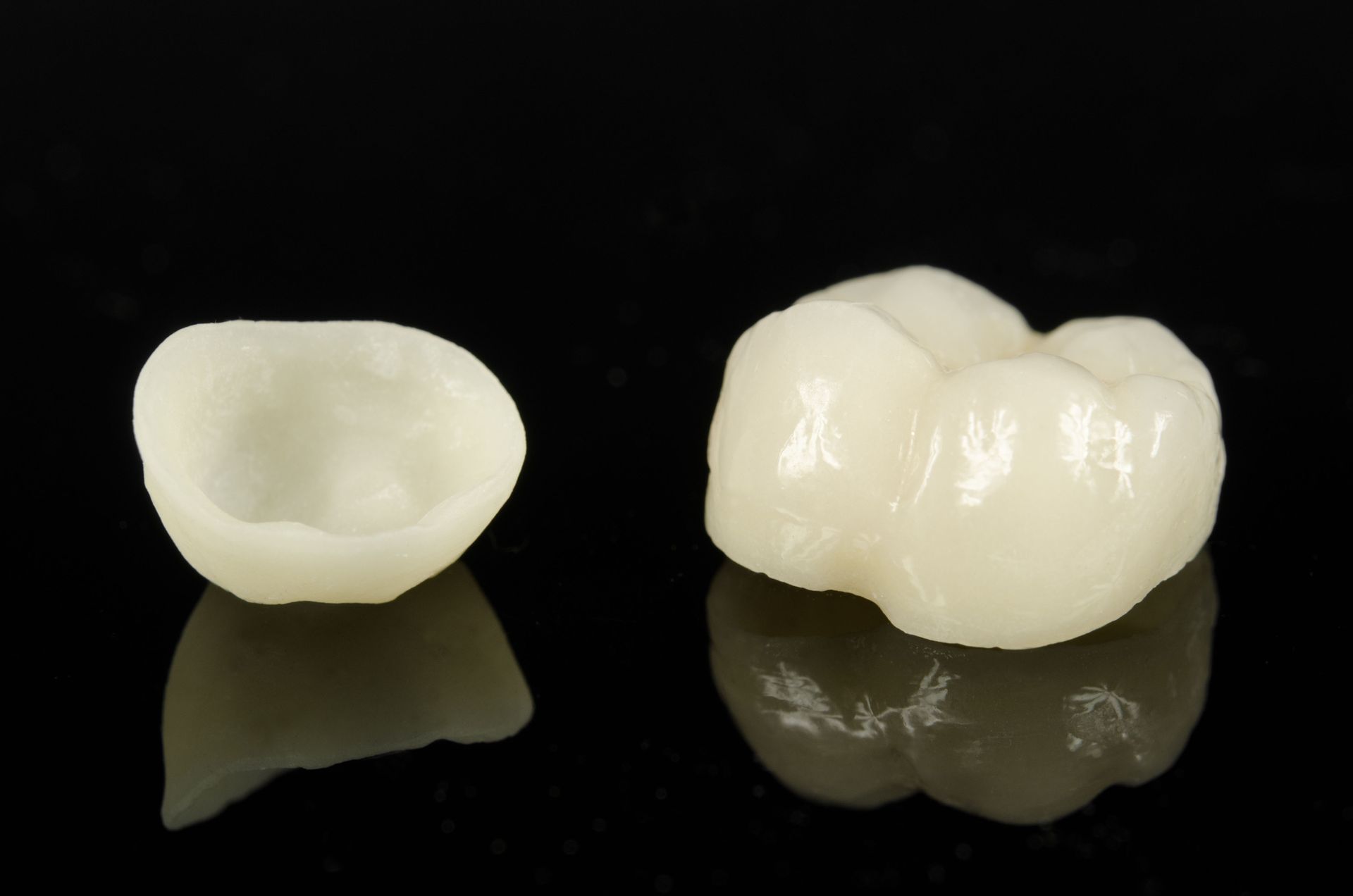
The final visible component is a custom-crafted dental crown designed to mirror the color, shape, and translucency of surrounding natural enamel. Dental technicians meticulously fabricate this crown from high-strength ceramic or porcelain materials to ensure that the replacement tooth blends seamlessly into the dental arch. Unlike traditional bridges that require grinding down healthy adjacent teeth for support, dental implants remain entirely self-supporting. This standalone architecture leaves neighboring teeth intact, promoting long-term oral hygiene and allowing patients to brush and clean normally without navigating specialized threading tools or bulky metal clasps.
Navigating the Procedure
The path toward achieving a fully restored smile involves a sequence of meticulously planned clinical phases. The process begins with a comprehensive diagnostic evaluation utilizing advanced digital radiography and volumetric cone beam scans. These imaging technologies allow dental clinicians to evaluate bone density, map nerve pathways, and pinpoint sinus cavity locations with extraordinary accuracy. Clinicians carefully assess the precise thickness of the jawbone to ensure sufficient support exists for surgical placement. If a patient presents with insufficient bone volume due to prolonged tooth loss, preparatory bone grafting procedures can rebuild the ridge to create a robust structural foundation capable of receiving the surgical fixture.
Once the bone is prepared, clinicians perform a minor surgical procedure to gently place the post into the designated site. After placement, a healing phase allows the bone to bond securely around the titanium threads. According to Healthline, the success rate for dental implants is as high as 95% at 10 years post-procedure. This remarkable clinical predictability highlights the dependability of the technology when managed by skilled dental professionals. Following successful integration, clinicians take digital impressions to fabricate the permanent crown, completing a restoration that restores natural chewing capability, bite strength, and visual brilliance.
Preserving the Jawbone
Bone preservation remains among the most critical clinical advantages provided by modern implant therapy. Every time a person bites into crunchy apples, raw vegetables, or hearty foods, natural tooth roots transmit microscopic vibrations downward into the alveolar bone. These tiny mechanical stimuli signal bone cells to continually regenerate, remodel, and maintain bone density across the entire dental arch. When teeth are missing, the absence of this kinetic stimulation triggers progressive bone atrophy. Over extended timelines, this bone loss not only destabilizes adjacent teeth but also complicates future restorative treatments and alters the shape of the lower face.
Because dental implants replicate the presence of natural tooth roots, they actively restore this necessary kinetic stimulation every time the patient chews. The biting forces transmit through the crown and titanium fixture straight into the surrounding bone tissue, stimulating continuous cellular renewal. This unique biomechanical stimulation preserves the natural contours of the jaw and maintains structural support for the lips and facial musculature. Patients retain their youthful facial contours while avoiding the premature sagging and deep wrinkles that frequently develop after prolonged reliance on poorly supported traditional dentures.
Restoring the Smile
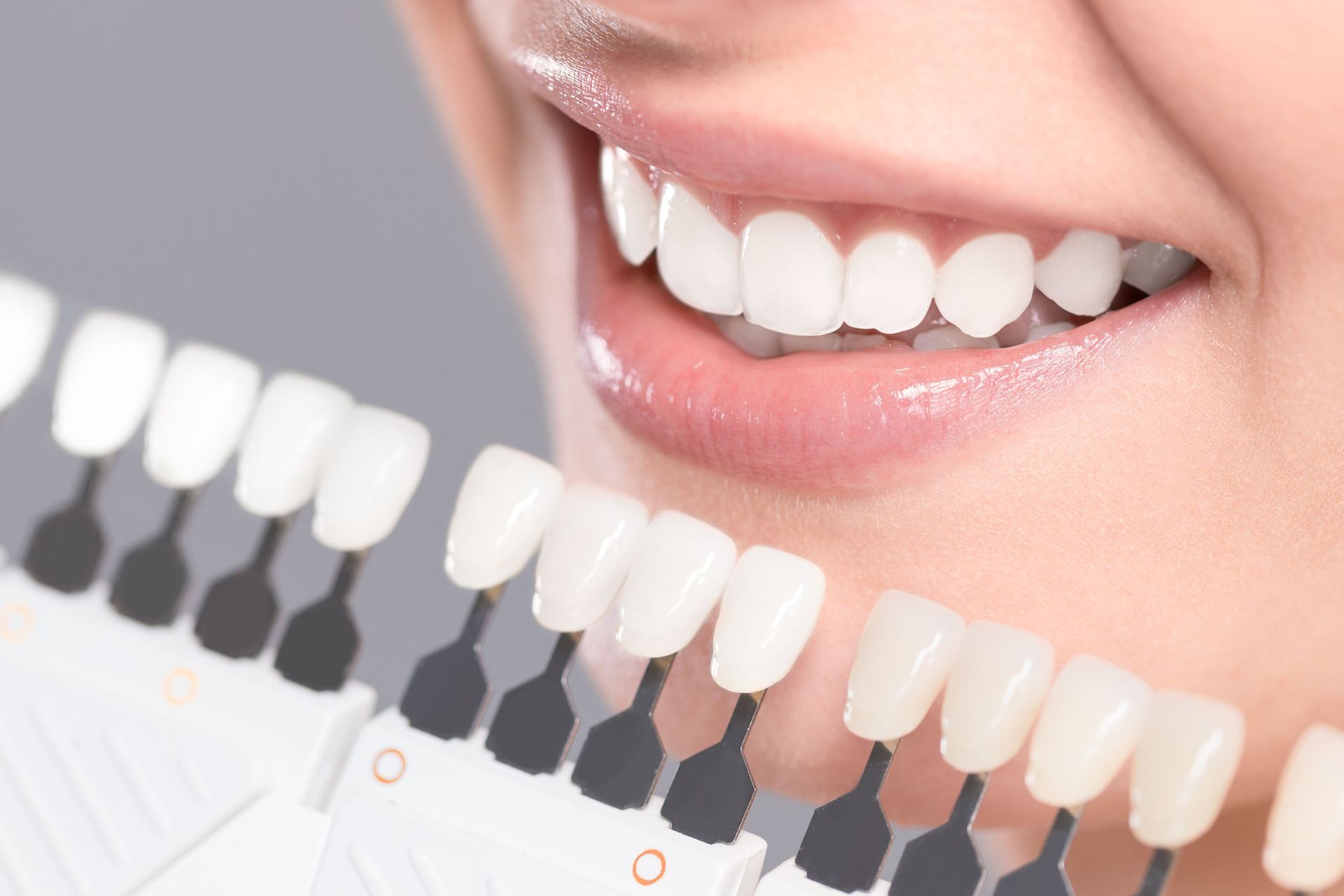
The psychological and functional benefits of a complete smile transformation cannot be overstated. Individuals with missing teeth frequently develop protective habits such as covering their mouths when laughing, avoiding social dining situations, or restricting their diets to soft, processed foods. These compromises can diminish emotional well-being, induce social anxiety, and contribute to nutritional deficiencies over time. Restoring oral completeness eliminates dietary restrictions, allowing individuals to comfortably consume balanced meals filled with fibrous produce and essential proteins. Replacing missing teeth with durable prosthetics restores spontaneous confidence, enabling individuals to smile freely, speak without hesitation, and enjoy diverse, wholesome foods without fear of embarrassment or painful gum irritation.
Long-term maintenance of these restorations is remarkably straightforward, requiring essentially the same diligent hygiene habits as natural teeth. Patients simply brush regularly each day with nonabrasive fluoride toothpaste, floss thoroughly around the restorations, and attend routine professional cleanings and examinations. Unlike natural enamel, the ceramic materials utilized for prosthetic crowns are completely impervious to dental decay, though surrounding gum tissue must remain free from bacterial plaque to prevent peri-implant inflammation. By maintaining excellent oral hygiene, patients ensure that their dental implants continue to deliver exceptional comfort, function, and aesthetic appeal for a lifetime.
Investing in the restoration of a damaged or incomplete smile represents a transformative decision that yields immense physical, functional, and emotional rewards. From preventing irreversible jawbone deterioration and protecting adjacent natural teeth to restoring chewing power and boosting personal self-confidence, modern implant dentistry delivers unmatched clinical advantages. The biological integration of biocompatible titanium with living bone creates a permanent foundation that surpasses temporary fixes and ill-fitting removable alternatives. Embracing this proven restorative technology allows individuals to reclaim optimal oral health and enjoy a radiant, complete smile for generations to come. If you are interested in exploring how tooth replacement options can restore your smile and want to discuss personalized care with a friendly and knowledgeable team, please reach out to Blaisdell Dental Center today.